
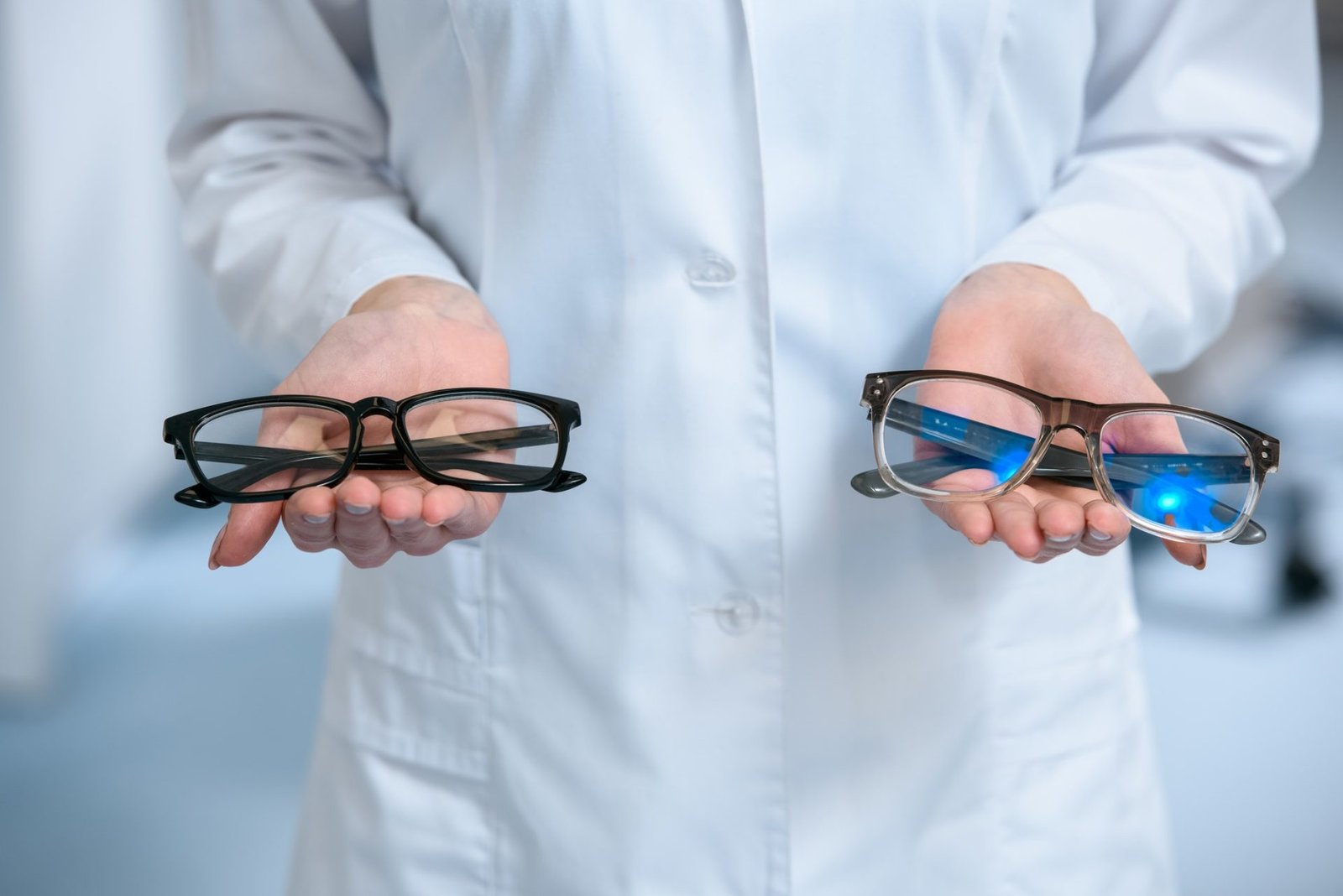
When it comes to vision correction, one of the most common dilemmas people face is choosing between glasses and contact lenses. Both have their unique advantages and the decision often depends on lifestyle, comfort and personal preference. But can frames and glasses actually work better than lenses? Let’s break it down.
Advantages of Glasses
- Eye Protection – Glasses act as a barrier against dust, wind and environmental elements, offering extra protection for your eyes.
- Low Maintenance – Unlike lenses, glasses don’t require strict cleaning routines. A quick wipe with a microfiber cloth keeps them clear.
- Durability & Longevity – A good pair of glasses can last for years with proper care, while lenses need frequent replacement.
- Style Statement – Glasses come in countless designs, shapes and colors, allowing you to express your personality.
- Reduced Risk of Infection – Since glasses don’t come into direct contact with your eyes, they lower the risk of eye infections compared to lenses.
Advantages of Contact Lenses
- Wider Field of Vision – Lenses sit directly on the eye, providing a more natural view without the frame edges.
- No Fogging or Glare – Unlike glasses, lenses don’t fog up due to temperature changes or get glare from light sources.
- Active Lifestyle Friendly – For sports and outdoor activities, lenses are more practical since they don’t slip or fall.
- No Style Constraints – Lenses allow you to maintain a natural look without altering your appearance with frames.
Which Is Better?
The answer depends on your needs. If you value convenience, safety and a stylish accessory, glasses might be the better choice. However, if you lead an active lifestyle and prefer unrestricted vision, contact lenses may work best for you. In many cases, people use both—glasses for daily wear and lenses for special occasions or activities.
Final Thoughts
Glasses and contact lenses each have unique benefits and neither is universally better than the other. The best option is the one that fits your lifestyle, comfort and eye health needs. For a personalized recommendation, it’s always best to consult with your optometrist.


